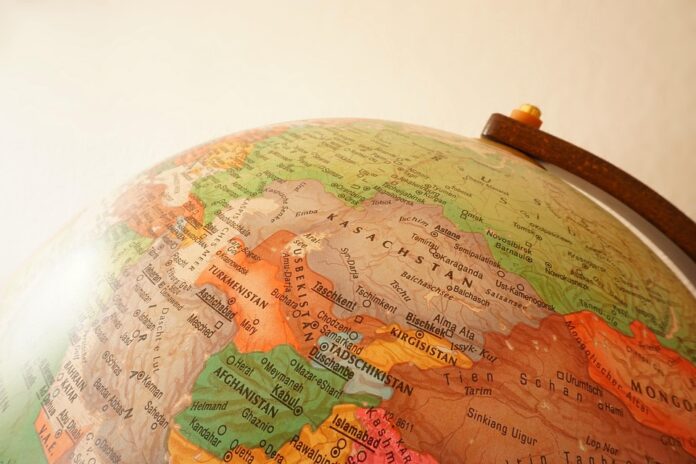
In an era where the geopolitical landscape is continually evolving, global alliances are undergoing profound transformations. As nations reassess their diplomatic strategies to address a myriad of challenges, the traditional frameworks of power dynamics are being redrawn. This article delves into how these new diplomatic strategies are shaping international relations, examining key changes in global alliances, the rise of new powers, and the implications for security, economy, and diplomacy.
The Shifting Landscape of Alliances
Historically, alliances such as NATO (North Atlantic Treaty Organization) and the Warsaw Pact were founded on mutual defense and ideological alignment during the Cold War. However, the dissolution of the Soviet Union in 1991 marked the beginning of a new world order characterized by a shift from bi-polarity to a more complex multi-polar structure.
Emergence of Regional Powerhouses
In recent years, nations like China, India, and Brazil have emerged as influential global players. China’s Belt and Road Initiative (BRI) stands as a testament to its ambitions to strengthen trade and investment links across Asia, Europe, and Africa. This initiative has not only fostered economic cooperation but has also created a network of allies eager to strengthen ties with Beijing for development and trade. China’s growing influence disrupts established power dynamics, making traditional alliances rethink their positions.
Similarly, India has found its footing as a regional powerhouse. It has diversified its partnerships not just with Western nations, but with neighboring countries in Asia and Africa, as part of a broader strategy to assert itself on the global stage. This strategy is also characterized by its willingness to engage in security alliances like the Quad (Quadrilateral Security Dialogue) with the United States, Japan, and Australia.
The Role of Technology and Cyber Diplomacy
The 21st century is marked by technological advancements that are changing how nations interact. Cybersecurity has emerged as a crucial component of national security, with countries investing in cyber capabilities to protect their interests. Consequently, diplomacy is no longer confined to traditional diplomatic channels but extends to cyber space.
Countries are forming alliances based not only on military strength but also on technological capabilities. For instance, the AUKUS pact between Australia, the UK, and the US focuses on sharing advanced military technologies and enhancing cyber capabilities, emphasizing the importance of technology in today’s foreign relations.
Climate Change as a Diplomatic Imperative
Another significant factor reinvigorating global alliances is the pressing issue of climate change. With the looming threat of natural disasters and irregular weather patterns, nations are increasingly recognizing the need for collaborative action. The Paris Agreement signified a collective effort to tackle global warming, fostering alliances among nations committed to sustainable practices.
Countries like the European Union have been at the forefront of this movement, advocating for ambitious climate goals and encouraging other nations to join in solidarity. These climate-centric alliances challenge traditional power dynamics and can create new coalitions based on shared environmental responsibilities.
The Implications of New Alliances and Strategies
As global alliances evolve, the implications for security, trade, and diplomacy are profound.
Diplomatic Engagement vs. Military Might
One of the most notable shifts in power dynamics is the preference for diplomatic engagement over military intervention. The Iraq War and Afghan conflict have made many nations wary of foreign military interventions. Instead, countries are now focusing on building partnerships through diplomacy, engagement, and economic collaboration.
China and its regional partnerships exemplify this shift. By prioritizing economic ties over military presence, China has crafted a network of relations that enhances its global influence without the burden of costly military deployments.
The Rise of Economic Warfare
Moreover, the new forms of alliance often incorporate elements of economic warfare. Trade wars, sanctions, and economic pressures have become tools to achieve diplomatic ends. The United States’ trade policies under different administrations showcase how economic might is wielded to reshape global politics. Recent tensions between the US and China illustrate how economic partnerships can shift global alignments, forcing countries to choose sides based on their economic dependencies.
Challenges to Traditional Institutions
The evolution of alliances poses challenges to international institutions such as the United Nations and the World Trade Organization. As countries prioritize bilateral or regional agreements over multilateral frameworks, the effectiveness of these institutions can be undermined. Issues like climate change or trade disputes might become increasingly resolved through smaller, flexible coalitions rather than cumbersome global negotiations.
Conclusion: Navigating the New Global Paradigm
In conclusion, global alliances are undeniably in flux. The interplay of regional powers, technological advancements, climate change considerations, and economic strategies herald a new era of diplomatic engagement that challenges established norms. Understanding these dynamics is crucial for navigating the complexities of international relations in the coming decades.
Moving forward, countries must adapt to this new global paradigm by embracing flexible, innovative diplomatic strategies, recognizing the interconnected nature of modern challenges, and fostering collaborations that promote mutual interests. The future of global alliances will likely be defined by those nations that can effectively balance their ambitions with cooperative strategies that address the multifaceted challenges of our time.
FAQs
1. What are some examples of new alliances formed in recent years?
The AUKUS pact (Australia, UK, US), the Quad (India, Japan, US, Australia), and various regional partnerships under China’s Belt and Road Initiative are notable examples of new economic and security alliances.
2. How has technology influenced modern diplomacy?
Technology has introduced new dimensions to diplomacy, with nations collaborating on cybersecurity measures, artificial intelligence, and tech-driven initiatives, emphasizing the role of technological advancements in foreign relations.
3. What role does climate change play in redefining global alliances?
Climate change has emerged as a key issue fostering cooperation among nations. The Paris Agreement and collaborative efforts on sustainable development are examples of alliances formed around shared environmental goals.
4. How do economic sanctions shape global alliances?
Economic sanctions act as tools for nations to exert pressure on others, influencing alliances based on economic interdependence. Countries may choose sides based on how sanctions affect their trade and economic relations.
5. Why are traditional institutions like the UN facing challenges?
The preference for bilateral and regional agreements over multilateral negotiations can reduce the effectiveness of traditional institutions. This shift may hinder collaborative efforts to address global challenges.

