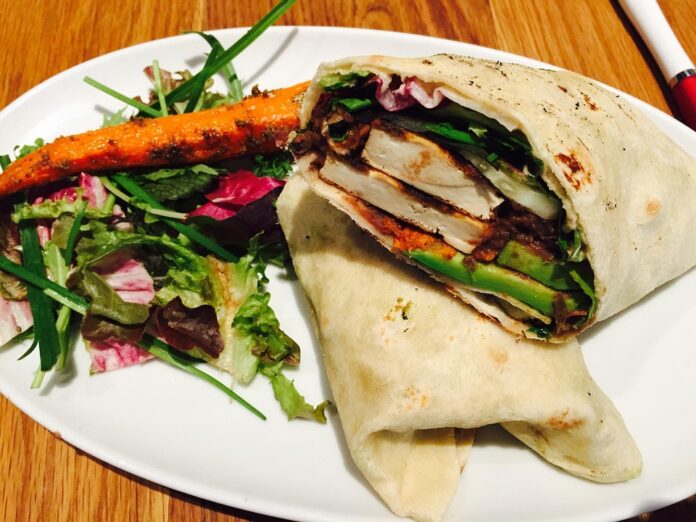
In the quest for a healthier lifestyle, many people find themselves overwhelmed by the avalanche of information on diet plans. With fads popping up like daisies and each promising miraculous results, it can be challenging to discern what truly works. This guide aims to demystify the world of diet plans, offering practical steps and strategies to help you transform your life through effective nutrition.
Understanding Diet Plans
What is a Diet Plan?
A diet plan refers to a structured approach to eating that helps individuals achieve specific health or weight goals. Unlike temporary diets that focus on short-term results, effective diet plans emphasize sustainable lifestyle changes. They take into account individual preferences, dietary restrictions, and nutritional needs.
Why Diet Plans Are Important
- Weight Management: Consistent adherence to a diet plan can help maintain a healthy weight.
- Health Improvement: A balanced diet can reduce the risk of chronic diseases like diabetes, heart disease, and hypertension.
- Mental Well-being: Nutrition directly affects cognitive function and emotional health, making a diet plan essential for mental clarity and stability.
- Physical Performance: Athletes and active individuals require specific diets to optimize their performance and recovery.
Types of Diet Plans
Understanding the various types of diet plans can help you choose one that fits your lifestyle and goals. Here are some popular options:
1. Mediterranean Diet
Inspired by the eating habits of countries bordering the Mediterranean Sea, this diet emphasizes whole foods, healthy fats, and lean proteins. Core components include:
- Olive oil as a primary fat source
- Fruits, vegetables, and whole grains
- Moderate consumption of fish and poultry
- Limited red meat and dairy
Benefits: Heart health, weight loss, reduced inflammation.
2. Keto Diet
The ketogenic diet is high in fats and low in carbohydrates, encouraging the body to enter a state of ketosis where it burns fat for energy.
Benefits: Weight loss, improved blood sugar control, increased energy levels.
3. Paleo Diet
Based on the presumed eating patterns of Paleolithic humans, the paleo diet focuses on whole foods that can be hunted or gathered:
- Lean meats
- Fish
- Fruits and vegetables
- Nuts and seeds
Benefits: Improved metabolic health, weight loss, better digestion.
4. Plant-Based Diet
A plant-based diet centers around foods derived from plants. This includes not only fruits and vegetables but also nuts, seeds, oils, whole grains, legumes, and beans.
Benefits: Health benefits like reduced heart disease risk, environmental sustainability, ethical considerations.
5. Intermittent Fasting
This approach varies the timing of eating and fasting. Common methods include the 16/8 method (fast for 16 hours and eat during an 8-hour window) and the 5:2 approach (eat normally five days a week and restrict calories for two).
Benefits: Weight loss, improved metabolism, better brain health.
Creating Your Diet Plan
Step 1: Set Clear Goals
Identify what you want to achieve. Are you looking to lose weight, improve your health, or build muscle? Setting SMART (Specific, Measurable, Achievable, Relevant, Time-bound) goals will guide your dietary choices.
Step 2: Assess Your Current Diet
Take a week to track what you eat and drink. This helps you identify patterns, areas for improvement, and food you genuinely enjoy.
Step 3: Choose a Diet That Fits
Select a diet that aligns not just with your goals but also with your lifestyle. Consider factors like food preferences, cooking skills, and time availability.
Step 4: Plan Your Meals
Meal planning is crucial for sticking to your diet. Aim for a balance of nutrients, including:
- Lean proteins (chicken, fish, tofu)
- Healthy fats (avocados, nuts)
- Whole grains (quinoa, brown rice)
- Colorful fruits and vegetables
Step 5: Stay Hydrated
Water is essential for digestion, metabolism, and overall health. Aim to drink at least eight 8-ounce glasses per day, adjusting for activity levels.
Step 6: Monitor Your Progress
Regularly check your progress against your goals. Adjust your plan as necessary to ensure you stay on track. Keep a journal or use mobile apps to log your food intake, weight, and feelings.
Step 7: Seek Support
Share your goals with friends, family, or support groups. Engaging with others can provide encouragement and accountability.
Overcoming Challenges
Emotional Eating
If you find yourself eating out of boredom or stress, try alternative coping mechanisms like mindfulness, exercise, or talking to a friend.
Time Constraints
Meal prepping for the week can save time and keep you from making impulsive food choices. Dedicate a few hours each week to plan and prep your meals.
Social Situations
Eating out or attending social events can be challenging. Look at menus in advance, and don’t hesitate to make special requests. Communicate your dietary choices with others to help them support you.
Plateaus
It’s common to hit a plateau during weight loss or health improvement journeys. If progress stalls, consider reassessing your plan. Sometimes small adjustments can yield significant results.
FAQs
1. How do I choose the right diet plan for me?
Consider your personal goals, dietary preferences, lifestyle, and any health conditions. Consulting with a healthcare provider or nutritionist can help tailor a plan that works for you.
2. Can I eat out while following a diet plan?
Yes, many restaurants offer healthier options. Look for dishes that are grilled instead of fried, and choose salads or vegetables as sides.
3. What if I slip up?
Slips are part of the journey. Don’t beat yourself up; simply get back on track with your next meal. Consistency over perfection is key.
4. How can I ensure I’m getting enough nutrients?
Focus on a variety of whole foods across all food groups. A registered dietitian can help you create a balanced meal plan and address any potential deficiencies.
5. Is weight loss the only benefit of following a diet?
No, many diets offer various benefits, including increased energy levels, improved mood, better digestion, and disease prevention.
Conclusion
Transforming your life through an effective diet plan isn’t just about losing weight; it’s about creating lasting habits that support your overall health. By understanding your options, setting realistic goals, and being flexible along the way, you can embark on a successful journey toward a healthier you. Remember, it’s not just about the destination but the lifestyle changes that pave the way for a better tomorrow.

