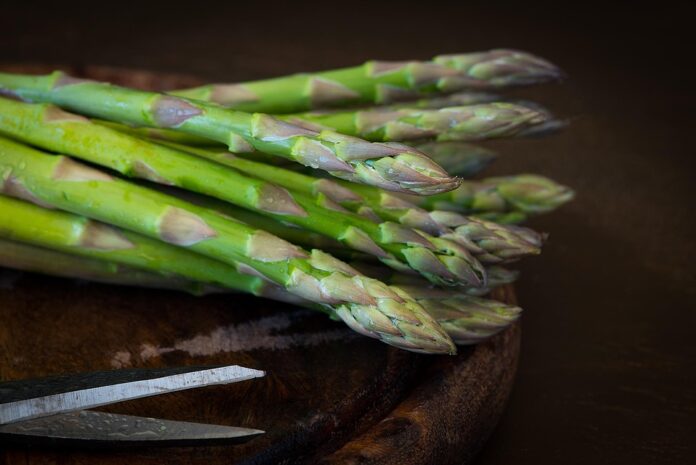
Cooking is often portrayed as both an art and a science, but for many, it can seem like a daunting task. However, with a few savvy kitchen secrets, anyone can master the culinary world and impress family and friends. Whether you’re a novice or an experienced cook looking to refine your skills, these tips and techniques will elevate your cooking game to a professional level.
1. Invest in Quality Tools
Before you even begin cooking, ensure you have the right tools. High-quality kitchen tools can make a significant difference in your cooking experience and outcomes.
Essential Tools
- Chef’s Knife: A good-quality chef’s knife is your best friend in the kitchen. It can handle almost any task, from chopping vegetables to slicing meat.
- Cutting Board: A sturdy, well-sized cutting board (preferably made of wood or bamboo) is essential for food prep.
- Measuring Tools: Accurate measurements are crucial, especially in baking. Invest in reliable measuring cups, spoons, and a kitchen scale.
- Non-stick Cookware: While stainless-steel pans are excellent for searing, non-stick pans can simplify cooking and cleanup.
2. Understand Ingredients
Knowledge about the ingredients you use can significantly elevate your cooking. Each ingredient has its unique properties, and understanding these can lead to better results.
Fresh vs. Dried Herbs
Use fresh herbs when possible for a vibrant flavor, but don’t discount dried herbs. They are often more potent and can be used in various applications. Remember to crush dried herbs between your fingers to release their essential oils before adding them to a dish.
Seasonal Produce
Cooking with seasonal ingredients ensures freshness and better taste. Not only do seasonal fruits and vegetables have more flavor, but they are often less expensive as well.
Quality over Quantity
Invest in high-quality ingredients. For example, a small amount of high-quality olive oil can elevate a dish far more than a larger quantity of a lower-quality alternative.
3. Master Knife Skills
Knife skills are fundamental in the kitchen. By mastering basic cuts, you can improve your efficiency and presentation.
Basic Cuts
- Chopping: This is the most basic form of cutting, used for vegetables like onions and carrots.
- Dicing: Dicing involves cutting food into small cubes, which is essential for salsas and salads.
- Julienne: A method for cutting vegetables into thin, matchstick-shaped pieces. It’s great for stir-fries.
- Minced: This is a finely chopped technique, often used for garlic or herbs.
Keeping Your Knives Sharp
A sharp knife is not only safer but also makes cooking faster and more enjoyable. Regularly hone your knife and use a whetstone or professional sharpening service occasionally to maintain its edge.
4. Prepping Ahead
Mise en Place is a French culinary term that means “everything in its place.” Before you start cooking, gather all your ingredients, measure them out, and prepare them. This practice will streamline your cooking process and prevent mistakes.
Organizing Your Workspace
Keep your workspace tidy. Clear away clutter, wash used utensils as you go, and organize ingredients for easy access. This not only makes cooking smoother but also enhances your focus, allowing for more creativity.
5. Embrace the Power of Flavor
Understanding and developing flavors is key to becoming a skilled cook. A dish can go from average to extraordinary simply by employing techniques to enhance flavors.
Layering Flavors
Start with aromatics like garlic, onions, or leeks to create a flavor base. Then, add spices and herbs gradually. Taste as you go, adjusting with salt, acid (like lemon juice or vinegar), and sweetness depending on your needs.
The Magic of Seasoning
Salt is the most critical seasoning; it enhances flavors, allowing the natural taste of ingredients to shine. Use it properly by salting at different stages of cooking. Don’t forget to taste your dish multiple times throughout the process!
6. Cooking Techniques
Learning various cooking methods can significantly broaden your culinary repertoire.
Searing
Searing meats at a high temperature creates a delicious crust while sealing in moisture. Make sure your pan is hot before you add the meat, and avoid overcrowding the pan, which can cause steaming instead of searing.
Braising
Braising is a technique that combines both dry and wet cooking methods. Sear your meat first for flavor, then cook it slowly in a covered pot with a bit of liquid until tender. This method works wonders for tougher cuts.
Roasting
Roasting vegetables and proteins brings out their natural sweetness. Spread your food across the pan, ensuring enough space for caramelization. Roast until you’re greeted with that delicious, golden-brown crust.
7. Plating Like a Pro
The presentation of your dish is essential—it can influence how the food tastes in the eyes of your guests. Here are a few simple tips for effective plating:
Color and Contrast
Choose a variety of colors and shapes to create visual interest. Use green herbs as a garnish to provide contrast and freshness.
Height and Dimensions
Avoid flat presentations. Create height by stacking components and layer ingredients. Use soft spreads, sauces, or purees as a base, allowing your main ingredient to shine.
Serving Portions
Serve appropriate portions to avoid overwhelming your guests. A well-proportioned dish is more inviting and enjoyable.
8. Experiment and Have Fun
Cooking should not be a stressful chore but rather a joyful experience. Don’t hesitate to experiment with new flavors, use unfamiliar ingredients, or try out different cuisines.
Keep a Cooking Journal
Documenting your cooking experiences can help refine your skills, allowing you to remember successful dishes and learn from those that didn’t go as planned.
Frequently Asked Questions (FAQs)
1. Do I need to follow recipes exactly when cooking?
It’s beneficial to start with recipes to guide you, but don’t hesitate to make changes based on your taste, available ingredients, or dietary restrictions. Cooking is creative!
2. What’s the best way to improve my knife skills?
Practice is essential. Start with simple tasks and gradually move to more complex cuts. Consider watching tutorials or taking a knife skills class for hands-on guidance.
3. How can I make my meals more flavorful?
Focus on layering flavors and using fresh, high-quality ingredients. Try adding acidity with lemon juice or vinegar and adjusting seasoning throughout the cooking process.
4. What’s the secret to tender meat?
Cooking meat at the right temperature is key. For tougher cuts, slow cooking methods like braising will create the tenderness you desire. For quick-cooking cuts, ensure not to overcook them.
5. Is it worth investing in high-quality cookware?
Absolutely. Quality cookware can last for years and often yields better cooking results. It distributes heat more evenly, cooks more efficiently, and is generally easier to clean.
6. How can I become more confident in my cooking skills?
Practice is essential. Don’t be afraid to make mistakes; they are part of the learning process. Experiment with different recipes, techniques, and cuisines to boost your skills and confidence.
By incorporating these savvy kitchen secrets into your cooking routine, you can elevate your culinary prowess to pro levels. Cooking should be a joy, not a chore, and with the right knowledge and tools, you’ll find it to be an incredibly rewarding experience. So don that apron, grab your chef’s knife, and dive into the delicious world of cooking!

