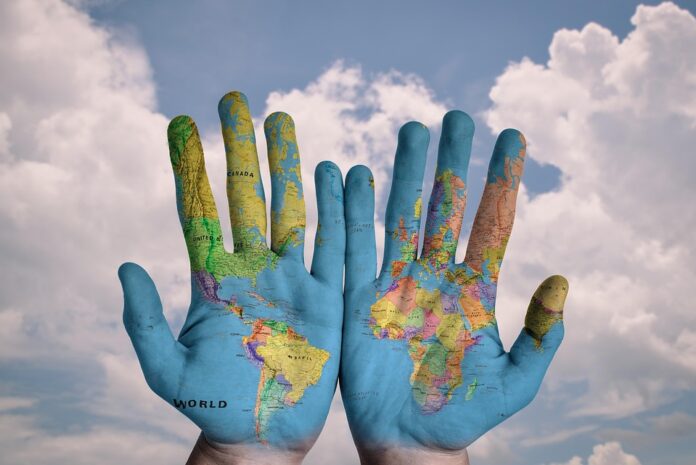
Painting is not just a method of expressing emotions; it’s a gateway to creativity, relaxation, and personal reflection. Whether you’re an experienced artist or someone just starting, finding new creative avenues can often inspire and invigorate your artistic journey. This article presents ten imaginative painting ideas to ignite your passion and set your brush in motion.
1. Abstract Emotions
Tap into your emotional state and translate those feelings onto the canvas. Choose a color palette that resonates with your current mood. For instance, deep blues might convey sadness, while vibrant yellows can illustrate joy. Use various brush strokes, textures, and layering techniques to convey complexity. Don’t aim for a recognizable form; let the colors and shapes flow naturally—each brushstroke serves as an emotional release.
Tips:
- Try painting with your non-dominant hand for a different perspective.
- Play music that reflects your mood to inspire your painting process.
2. Nature’s Palette
Step outside and immerse yourself in nature. Select a tranquil outdoor location, and paint a local landscape. Focus on capturing the colors and moods of your environment—the lush greens of trees, the ethereal blues of the sky, and the earthy tones of the ground. Remember to incorporate varied brush techniques to create depth and texture, like the stippling technique for foliage or broad strokes for expansive skies.
Tips:
- Bring along a small sketchpad to outline your scene before painting.
- Experiment with plein air painting, where you paint directly from nature.
3. Dreamlike Surrealism
Dive into your imagination with surrealist painting. Draw inspiration from dreams, fantasies, or whimsical thoughts. Create bizarre scenes that challenge the viewer’s perception of reality. Incorporate unexpected objects and vibrant colors to elevate the dreamlike quality of your work. Surrealism allows you to break away from conventional creativity, making it an exciting form of expression.
Tips:
- Keep a dream journal by your bedside to capture ideas as they come to you.
- Research surrealist artists like Salvador Dalí for inspiration.
4. Mixed Media Adventure
Step away from traditional paint and incorporate various materials in your artwork for a mixed media approach. Combine acrylics, pastels, fabric, and even found objects. This technique adds dimension and texture and allows for unique storytelling. For instance, you could create a landscape using torn fabric for grass and acrylic paint for the sky. Let your imagination guide you as you mix, match, and blend different media.
Tips:
- Limit your palette for cohesiveness while allowing for creative exploration.
- Use gel mediums to create interesting textures.
5. Monochrome Masterpiece
Limit yourself to a single color or hue and explore its many shades and tones. This monochromatic approach challenges you to think creatively within confined parameters. Explore light, shadow, and texture within a singular color. The restraints can often lead to spectacular results. This approach can be highly meditative and enhance your understanding of color theory.
Tips:
- Use white or black to adjust brightness and darkness in your painting.
- Challenge yourself by changing the monochrome color with each new project.
6. Photo Realism Challenge
Try your hand at photo-realism by accurately capturing a photograph of your choice. Focus on details, shadows, and lighting to replicate the visual complexity of the image. This technique enhances observational skills and allows for the exploration of color mixing and brushwork precision. You might discover new techniques you can apply in future expressive works.
Tips:
- Use grids to help you map out proportions accurately.
- Spend time getting to know your subject before beginning your painting.
7. Cultural Inspiration
Explore different cultures through art. Research a specific culture’s traditional artwork and interpret it in your style. This could include African tribal patterns, Japanese ink wash, or European Renaissance painting techniques. Engage with the history and context of the art form you choose—inspiration can be found in storytelling, symbolism, and techniques unique to each culture.
Tips:
- Visit art museums to gather firsthand knowledge and inspiration.
- Collaborate with artists from different backgrounds to share ideas and techniques.
8. Nature’s Details
Instead of capturing a landscape, focus on a small detail within nature—like the intricate patterns on a leaf or the delicate textures of flower petals. Zooming in on small details can reveal a world of complexity that’s often overlooked. This approach teaches patience and attention to detail, as you’ll need to capture the subtle variations in color and texture.
Tips:
- Use a magnifying glass to observe and capture intricate details.
- Experiment with different brush sizes to achieve varying effects.
9. Body and Paint
Explore body painting, where creativity meets the human canvas. This trendy art form allows you to express yourself or convey a message through paint. Use safe, skin-friendly materials and immerse yourself in the process. This kind of work often leads to vibrant and emotionally charged pieces that are temporary yet powerful.
Tips:
- Consider safety and use non-toxic paint.
- Involve friends or family and create a collaborative piece.
10. Interactive Collaboration
Organize a group painting session where each participant contributes to a singular artwork. Set a theme, and allow each participant to express their individuality through the collaborative piece. This fosters connection and brings diverse perspectives into a single canvas. Working together can lead to exciting and unexpected results that lift everyone’s creativity.
Tips:
- Use large canvases or panels for effective collaboration.
- Schedule regular painting sessions to track progress and develop relationships.
Conclusion
Art is a boundless journey that continually evolves with each stroke of the brush. Allowing yourself to experiment with new techniques and ideas can open pathways to greater self-expression and fulfillment. Whether you engage with nature, challenge your skills, or connect with others through collaborative artwork, the possibilities for creativity are limitless.
FAQs
1. Do I need to have artistic experience to try these painting ideas?
No, these ideas are designed for all skill levels. Whether you are a beginner or an experienced artist, you can adapt the concepts to fit your comfort level.
2. What materials do I need to start painting?
Basic materials include canvases or paper, brushes of various sizes, paints (acrylic, watercolor, or oil), palette knives, and a palette for mixing colors.
3. How can I overcome creative blocks while painting?
Try setting a timer for short painting bursts, experimenting with different techniques, or engaging with other artists for inspiration. Sometimes taking a break can also be beneficial.
4. Can I paint on surfaces other than canvas?
Absolutely! You can paint on wood, fabric, glass, and even walls, allowing for more diverse creative expression.
5. What is the best way to learn and improve my painting skills?
Regular practice is key. Attend workshops, watch online tutorials, and don’t hesitate to seek constructive feedback from other artists. Continuous exploration and learning will refine your skills over time.
Embark on your painting journey today, and let these ideas guide you toward creating your masterpiece!

